

She’s Got Bette Davis Eyes – How To Get Rid of Puffy Eyebags
“Bette Davis eyes,” a phrase immortalized in Kim Carnes’ iconic song, refers to the captivating and expressive quality often associated with the legendary actress Bette Davis.
Eyes play a major role in communication and expression. They reflect emotion, draw attention, and are often one of the first facial features people notice. Changes around the eye area, including puffy eyebags, can affect how expressive or alert the eyes appear, which is why eye rejuvenation treatments are commonly explored.

Key Takeaways
- Puffy eyebags are commonly caused by age-related skin laxity, fat displacement, and fluid retention around the eyes.
- Eye rejuvenation treatments range from non-surgical options to eye tuck surgery, depending on the severity of eyelid changes.
- Eye tuck surgery involves removing or repositioning excess skin and fat to improve eyelid contour and under-eye fullness.
- Different surgical approaches, including upper, lower, and scarless eye tuck techniques, are selected based on individual anatomy.
- A clinical consultation helps determine whether eye tuck surgery is appropriate and outlines expected outcomes and recovery considerations.
Dr. Michael W. Gray and Eye Rejuvenation Treatments
Dr. Michael W. Gray of the Michigan Cosmetic Surgery Center and Skin Deep Spa performs procedures focused on eye rejuvenation. Treatments involving the eye area are commonly used to address age-related changes that affect expression and facial balance.
Common concerns addressed through these approaches include:
- Puffy eyebags that create a tired or swollen appearance
- Eyelid laxity affecting upper or lower eyelids
- Age-related volume changes around the eyes
- Surgical and non-surgical eye tuck options, depending on clinical need
In-Depth Look at Eye Tuck Surgery
Eye tuck surgery is a medical procedure used in eye rejuvenation to address structural changes around the eyelids. It typically involves the careful removal or repositioning of excess skin and fat in the upper or lower eyelids. This approach is commonly used to reduce puffy eyebags, improve eyelid contour, and create a more rested eye appearance when non-surgical options are not sufficient.
At Michigan Cosmetic Surgery Center and Skin Deep Spa, Dr. Michael W. Gray performs eye tuck surgery as part of a broader range of treatments for age-related changes affecting the eye area. The procedure may be recommended based on individual anatomy, the degree of eyelid laxity, and overall treatment goals, with attention given to recovery expectations and post-procedure comfort.
Addressing Age-Related Eye Changes with Eye Tuck Surgery
Age-related changes around the eyes commonly include drooping upper eyelids and puffy eyebags caused by skin laxity and fat displacement. These structural changes can affect eyelid position and overall eye appearance. Eye tuck surgery is one option used in eye rejuvenation to address these concerns when they interfere with function or appearance.
Common age-related issues addressed through eye tuck surgery include:
- Drooping upper eyelids caused by skin laxity
- Puffy eyebags resulting from fat protrusion or fluid retention
- Changes in eyelid contour that affect eye symmetry
- Structural changes that persist despite non-surgical treatment options
Comprehensive Solutions for Eye Rejuvenation
Eye rejuvenation may involve surgical or non-surgical approaches, depending on the cause and severity of eyelid changes. Treatment selection is typically based on factors such as skin laxity, fat distribution, and the presence of puffy eyebags. Dr. Michael W. Gray offers multiple eye tuck and blepharoplasty techniques to address different anatomical needs.
Available treatment options include:
- Subciliary Blepharoplasty: This procedure targets the lower eyelids through an incision just below the lash line. It is commonly used to address puffy eyebags, excess skin, and fine wrinkles by removing or repositioning fat and tightening the surrounding tissue.
- Upper Lid Blepharoplasty: Focused on the upper eyelids, this procedure addresses drooping skin that can create a hooded appearance. In some cases, it may also improve visual obstruction caused by excess eyelid skin.
- Transconjunctival Blepharoplasty: This technique accesses the lower eyelid through the inner surface of the eyelid, allowing fat removal or repositioning without an external incision. It is often used for patients with puffy eyebags but minimal excess skin and may be performed with or without laser assistance.
- Scarless Eye Tuck: A non-surgical eye tuck option that may be used for mild eyelid concerns. This approach focuses on subtle tightening or volume adjustment and is typically considered when surgery is not indicated.
Consultation and Planning for Eye Tuck Surgery
Consultation and planning for eye tuck surgery typically begin with an evaluation by Dr. Michael W. Gray. This process focuses on assessing the eye area, reviewing medical history, and determining whether surgical or non-surgical eye rejuvenation options are appropriate based on individual anatomy and concerns.
During the consultation, the discussion generally includes:
- Evaluation of eyelid structure, skin laxity, and puffy eyebags
- Review of available treatment options, including eye tuck surgery
- Explanation of procedural steps and recovery considerations
- Overview of expected outcomes, which may include before-and-after reference images
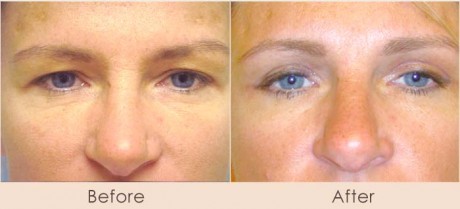
Before and After Results for Puffy Eyebags
Before and after images are commonly used in eye rejuvenation to illustrate changes in eyelid contour and under-eye fullness following treatment. In cases involving puffy eyebags, these images may show differences in skin positioning, fat distribution, and overall eye area balance after eye tuck surgery or related procedures performed by Dr. Michael W. Gray.
The gallery is intended to provide visual context for how eye tuck and other eyelid procedures can affect the appearance of the eye area over time, based on individual anatomy and treatment approach.
Contact Us for Eye Tuck Surgery
Eye tuck surgery and other eye rejuvenation procedures are typically discussed during a clinical consultation, where individual anatomy, treatment options, and expected outcomes are reviewed. Dr. Michael W. Gray provides consultations for patients seeking information about procedures used to address concerns such as puffy eyebags and age-related eyelid changes.
Additional information about eye tuck surgery can be found at www.anewyou.com, or by contacting the clinic directly at 248-538-3333 to inquire about consultation availability.
Frequently Asked Questions
How long do the results of eye tuck surgery typically last?
Results from eye tuck surgery are generally long-lasting, but the natural aging process continues. Longevity varies based on skin quality, genetics, and lifestyle factors.
Is eye tuck surgery performed under local or general anesthesia?
Eye tuck surgery may be performed under local anesthesia with sedation or general anesthesia, depending on the extent of the procedure and patient considerations.
Can eye tuck surgery be combined with other facial procedures?
Yes. Eye tuck surgery is sometimes performed alongside other facial procedures, such as brow lifts or skin resurfacing, when clinically appropriate.
What is the typical recovery timeline after eye tuck surgery?
Initial swelling and bruising usually improve within the first two weeks, while final results may continue to refine over several months.
Are there non-surgical alternatives for treating puffy eyebags?
Non-surgical options may include injectable treatments, skin tightening procedures, or topical management, depending on the cause of the puffiness and skin condition.